

Infrastructure development projects such as highways, railways, airports, and bridges require massive investments in labor, materials, and equipment. Contractors constantly seek ways to reduce expenses while maintaining high accuracy and productivity. One technology that is transforming the construction industry is machine control systems. Understanding How machine control construction Cuts Costs in Infrastructure Projects helps contractors and project managers optimize resources and deliver projects more efficiently.
What Is Machine Control Construction?
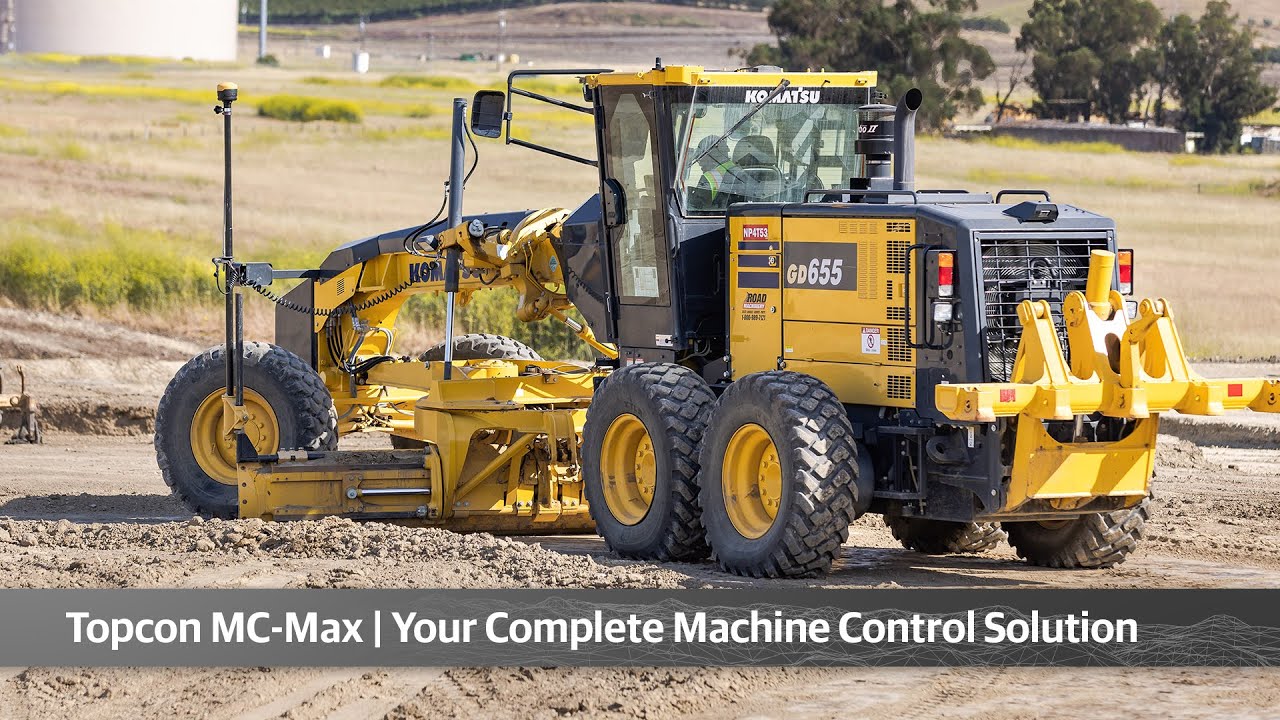
Machine control construction refers to the use of advanced technologies such as GPS, sensors, and 3D design models integrated with construction equipment. These systems guide heavy machinery—like excavators, bulldozers, and graders—so operators can follow precise digital plans during earthmoving and grading operations.
By automating many manual processes, machine control ensures that machines operate with high precision, reducing the need for repeated measurements, manual adjustments, and corrections.
Reduced Rework and Material Waste
One of the most significant ways How Machine Control Construction Cuts Costs in Infrastructure Projects becomes evident is through the reduction of rework. Traditional construction methods often rely on manual surveying and staking, which can lead to human error.
Machine control systems allow operators to work directly from digital site models, ensuring that excavation and grading meet the exact design specifications the first time. This accuracy minimizes mistakes, preventing costly rework and reducing material waste such as excess soil removal or unnecessary fill material.
Lower Labor Costs
Machine control technology significantly reduces the need for large surveying teams and ground crews. In conventional job sites, surveyors frequently check grades and mark positions for operators.
With automated guidance systems, machines can perform these tasks independently, allowing contractors to operate with smaller teams. This streamlined workforce structure demonstrates clearly How Machine Control Construction Cuts Costs in Infrastructure Projects, as fewer personnel are required to maintain project accuracy.
Improved Productivity and Faster Project Completion
Time is one of the most critical cost factors in infrastructure construction. Delays often lead to increased equipment rental, labor costs, and project overhead.
Machine control systems enable operators to work faster and more efficiently because they no longer need to stop repeatedly for grade checks. The equipment continuously receives real-time positioning data and design guidance, allowing work to proceed smoothly. Faster completion times translate directly into reduced operational costs.
Better Fuel Efficiency and Equipment Utilization
Heavy machinery consumes large amounts of fuel, especially when performing repeated passes due to inaccurate grading. Machine control systems guide equipment precisely, ensuring that operators complete tasks in fewer passes.
This efficiency not only reduces fuel consumption but also minimizes equipment wear and tear. Lower maintenance costs and extended machine lifespan further illustrate How Machine Control Construction Cuts Costs in Infrastructure Projects across long-term infrastructure development.
Enhanced Project Planning and Data Integration
Modern machine control platforms integrate seamlessly with digital design tools and construction management software. Project managers can monitor machine performance, track progress, and analyze productivity data in real time.
This level of visibility allows teams to make better decisions, allocate resources efficiently, and avoid unnecessary expenses. Digital integration helps ensure that projects remain on schedule and within budget.
Conclusion
As infrastructure demands continue to grow worldwide, construction companies must adopt technologies that enhance efficiency while controlling costs. Machine control systems provide precise guidance, reduce labor requirements, minimize material waste, and accelerate project timelines.
By leveraging this technology, contractors can clearly see How Machine Control Construction Cuts Costs in Infrastructure Projects, making it an essential tool for modern construction operations. As digital construction technologies continue to evolve, machine control will play an even greater role in delivering cost-effective, high-quality infrastructure projects.
