

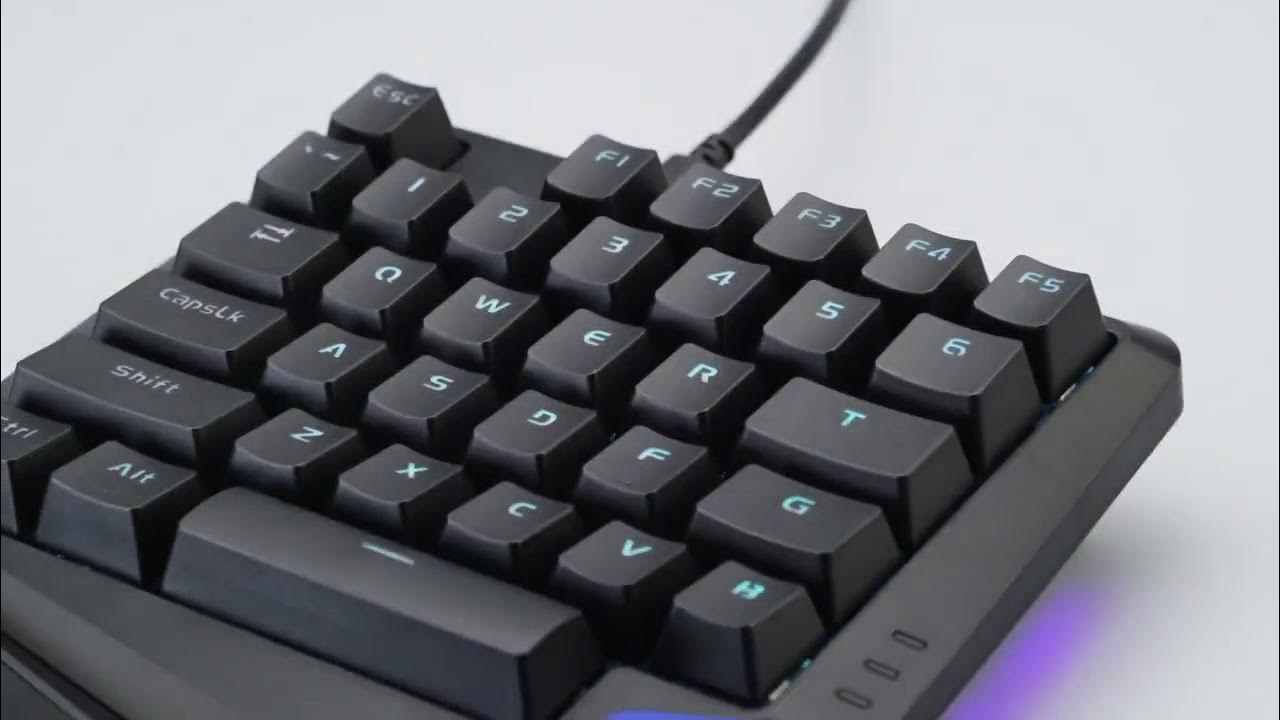
Mechanical keyboards have become a popular choice among gamers, programmers, writers, and PC enthusiasts. Known for their durability, tactile feedback, and customization options, these keyboards have a long and fascinating history. The Evolution of the Mechanical Keyboard in Modern Computing highlights how these devices transformed from simple typing tools into advanced peripherals that enhance productivity and gaming performance.
The Early Days of Mechanical Keyboards
Mechanical keyboards first appeared in early computer systems and typewriters. In the 1970s and 1980s, many computers used mechanical switches because they offered reliable performance and clear tactile feedback. These early keyboards were built with strong materials and designed to last for years.
One of the most iconic keyboards from that era was the IBM Model M, released in the mid-1980s. It used a buckling spring mechanism that produced a distinct clicking sound and precise keystrokes. At that time, mechanical keyboard were the standard because they provided excellent typing accuracy and durability.
The Rise of Membrane Keyboards
As computers became more common in homes and offices during the 1990s, manufacturers began focusing on cost reduction. Membrane keyboards emerged as a cheaper alternative to mechanical models. They used rubber domes instead of individual mechanical switches, making them quieter and less expensive to produce.
Although membrane keyboards dominated the market for many years, they often lacked the tactile response and long lifespan that mechanical keyboards offered. This shift temporarily slowed The Evolution of the Mechanical Keyboard in Modern Computing, but it did not stop innovation entirely.
The Revival Among Gamers and Enthusiasts
In the early 2000s, mechanical keyboards began making a strong comeback. Gamers and professionals started rediscovering their benefits, especially when it came to responsiveness and durability. Gaming companies introduced mechanical keyboards designed specifically for competitive gameplay.
During this period, various switch types such as linear, tactile, and clicky switches became widely available. Each type offered a different typing experience, allowing users to choose what best suited their needs. This resurgence played a significant role in The Evolution of the Mechanical Keyboard in Modern Computing, pushing manufacturers to innovate further.
Customization and Modern Technology
Today’s mechanical keyboards offer far more than just reliable typing. Modern designs include customizable RGB lighting, programmable keys, wireless connectivity, and hot-swappable switches. These features allow users to personalize their keyboards for both style and performance.
The mechanical keyboard community has also grown significantly. Enthusiasts build custom keyboards with unique keycaps, specialized switches, and custom layouts. This trend has transformed keyboards into both functional tools and creative projects.
Such advancements clearly demonstrate The Evolution of the Mechanical Keyboard in Modern Computing, as keyboards have evolved from basic hardware into highly customizable tech accessories.
The Future of Mechanical Keyboards
Looking ahead, mechanical keyboards will likely continue to evolve with new technologies and improved ergonomics. Wireless innovations, quieter switches, and smarter software integration are already shaping the next generation of keyboards.
As remote work, gaming, and digital content creation continue to grow, mechanical keyboards will remain an essential part of modern computing setups. The Evolution of the Mechanical Keyboard in Modern Computing shows how a once-simple input device has become a powerful tool for efficiency, comfort, and personalization.
Conclusion
Mechanical keyboards have undergone a remarkable transformation over the decades. From early computer systems to modern gaming rigs and professional workstations, they have consistently adapted to user needs. The Evolution of the Mechanical Keyboard in Modern Computing reflects not only technological progress but also the growing demand for high-quality typing experiences. As technology advances, mechanical keyboards will undoubtedly continue to play a significant role in the future of computing.
